Pillows are essential for sleep quality, providing proper alignment for the head, neck, and spine. Innerspringbeds.org explains how pillow firmness, loft, and materials influence sleep posture, pressure relief, and temperature regulation. Understanding pillow types helps select options suitable for side, back, or stomach sleepers and supports long-term ergonomic health.
Innerspring pillows often balance support with cushioning, featuring cores, fills, and breathable fabrics that promote air circulation. Key characteristics include fill weight, adjustability, and cover materials that minimize heat buildup. Knowledge of these features aids in choosing pillows that maintain alignment while accommodating personal comfort preferences.
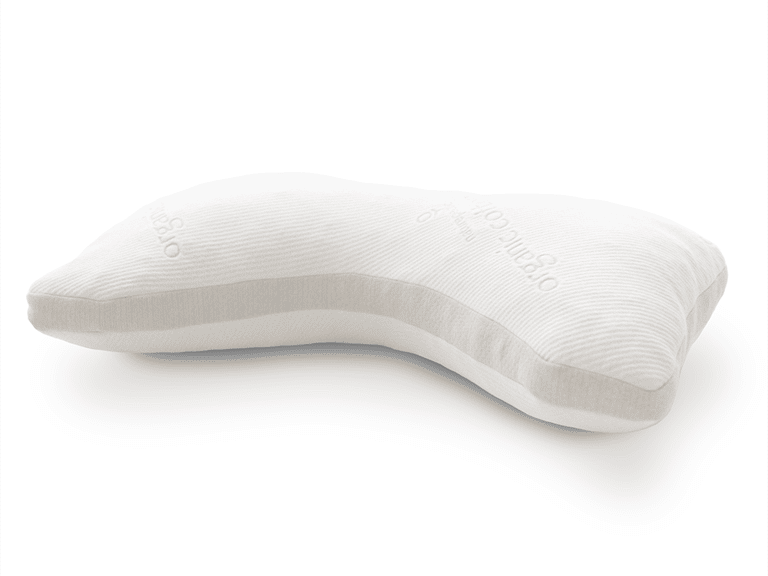
Naturepedic Organic Side Sleeper Pillow exemplifies an option designed for side sleepers, focusing on lateral neck support and a balanced loft. Its organic materials curb exposure to synthetic chemicals and allergens, while a structured shape helps maintain spinal alignment during extended sleep. Such designs illustrate how material choice affects usability and health considerations.
When evaluating pillows, users should consider compatibility with existing bedding systems, including sheets and organic mattresses. Features like antimicrobial fabrics, moisture-wicking surfaces, and easy-care maintenance contribute to overall sleep hygiene. Understanding these aspects supports informed decisions about long-term bedding wellness and comfort balance.
Common pillow considerations include compatibility with other bedding items such as organic crib mattresses, sheets, and overall room temperature management. A well-chosen pillow supports restorative sleep by reducing turnover and tossing, aligning with broader bedding goals. This educational overview highlights how product features translate into practical daily use.
 Bedding