What is a bed foundation, and why it matters
A bed foundation is more than a support system; it is the invisible chassis that shapes how a mattress responds to weight, movement, and temperature. In traditional terms, a foundation sits beneath springs or foam, bearing the load of the sleeper while enabling the upper comfort layers to present their character—the surface that affects how we perceive pressure, alignment, and recoil.
The foundational designs discussed here—continuous coils, offset coils, and plywood or slatted bases—each distribute weight in distinct ways. A continuous coil system, for instance, provides a uniform feel over the sleeping surface, while offset coils break the grid into a more nuanced balance of support and contouring. A solid plywood or slatted base, by contrast, acts as a rigid stage that can either reinforce or dampen movement, depending on spacing, material, and condition.
The geometry of the foundation matters as much as the materials. Edge support, a measure of how the perimeter behaves under load, often dictates the practical usable surface area and the sense of security when sitting on the edge. A foundation that yields too much at the edge can cause a mattress to feel unstable, especially for couples sharing a single surface.
In the pages that follow, we’ll translate technical ideas into actionable guidance: how to test a foundation in a showroom, what to inspect at home, and how to tailor your sleep surface by pairing a foundation with toppers or encasements without sacrificing the ergonomics that keep the spine aligned.
Matching foundation to sleeping position
The human body adopts a unique posture during sleep, and the foundation must harmonize with that posture. Back sleepers typically benefit from a firmer, more evenly distributed support that maintains the natural lumbar curve without creating hotspots. Side sleepers often require a bit more contouring under the shoulders and hips to prevent pressure points, while stomach sleepers may seek a surface that resists excessive sagging to avoid hyperextension of the neck.
Firmer support does not always equal better sleep. The ideal firmness is a negotiation between the foundation’s profile and the mattress’ core. A foundation with a stable, well-distributed support can allow an otherwise soft or plush top layer to work more predictably, offering a balanced feel that mitigates motion transfer while preserving alignment.
Practical steps to test and evaluate foundation compatibility
- Measure fit and alignment: In a showroom, lie in your typical sleeping position and observe how your spine aligns along the mattress boundary and across the center. Look for any sagging, edge collapse, or uneven pressure that might signal incompatibility with your body type.
- Test firmness and motion transfer: Have a trusted partner move across the bed. Notice how much disturbance you feel at the other side. A good foundation minimizes motion transmission, which is essential for shared sleepers.
- Assess temperature and breathability: Foundations that pair well with breathable materials and air-permeable slats can contribute to moisture management, especially in climates where temperature swings are common.
- Inspect durability signals: Edge integrity, even surface, and minimal creaking are markers of a foundation built for longevity. Check for any visible gaps, misalignments, or looseness in the frame.
- Understand warranties and compatibility: Foundations often carry specific warranty terms. If you plan to use toppers or encasements, verify that these additions won’t invalidate the warranty or alter the performance characteristics beyond what is intended by the manufacturer.
The test-ground for foundation choices is a balance between physical feel and long-term health outcomes. A solid, properly chosen foundation can enable a mattress to maintain optimal spine alignment through years of use, supporting healthy sleep architecture and comfort.
A practical approach marries subjective comfort with objective checks. Consider a simple decision framework:
- Distribute weight evenly across the surface: a foundation that sag[s] under the hips or shoulders may disrupt alignment.
- Control motion transfer: if a partner movement causes a noticeable shift, you may need a foundation with more robust edge support or a different coil design.
- Support the mattress core without locking it into a fixed contour: this balance ensures the upper layers breathe and respond to your body over time.
- Temperature and moisture management: consider slatted bases or perforated panels that support air flow beneath the mattress.
Foundations in practice: a curated look at contemporary options
In exploring foundations, it helps to anchor the discussion with real-world examples that illustrate how design choices translate to the sleep surface. The following product example, drawn from established premium brands, provides a lens through which to view the intersection of quality, material choice, and ergonomic intent.
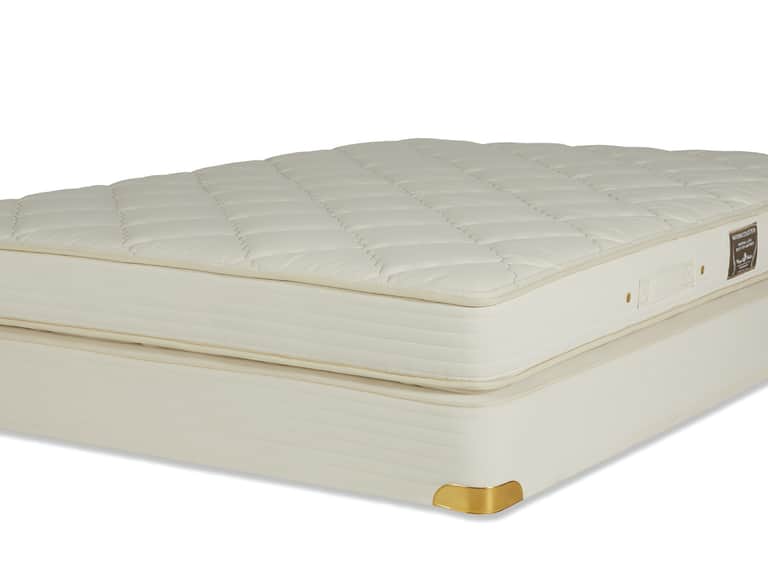
Vispring Cashmere Superb
A pinnacle of craftsmanship, this mattress combines a resilient coil system with layers of cashmere, wool, silk, and cotton. Its hand-nested pocket springs offer independent responsiveness, while the refined upholstery ensures durable edge support and a balanced surface. The ticking blends cashmere with silk and viscose to manage warmth and moisture, maintaining comfort across a wide range of temperatures.
Price on request, with attention to hand construction and legacy materials. This example demonstrates how a high-end foundation-quality mattress integrates with a durable base system and how ergonomic alignment can be supported by a well-engineered sleep platform.
While Vispring Cashmere Superb is a premium mattress, the principles it embodies—layered comfort, edge integrity, and responsive support—reflect the ideals behind a strong foundation: a surface that respects the body’s curves, minimizes motion, and breathes with the sleeper. In the consumer journey, you might not always encounter luxury finishes, but the underlying design language—stable edge, distributed support, and breathable foundations—remains universal.
Care, durability, and the long arc of a foundation
A foundation's durability is tied not only to the materials but to the habits surrounding its use. Routine checks, proper weight distribution, and timely maintenance all contribute to a longer life. For renters, purchasing decisions often hinge on portability and easy setup; for homeowners, the focus shifts toward resilience against daily wear, temperature variation, and partner movement.
Consider pairing a sturdy foundation with a topper or encasement that complements its performance. A topper can tailor a surface’s feel without compromising the structure, while an encasement can promote hygiene and longevity. Together, these elements compose a sleep system designed to endure, adapt, and evolve with changing needs.
The ecosystem of bedding—foundations, toppers, encasements, sheets, and pillows—operates as a unified system. Understanding each component's role helps readers make informed choices that align with health, comfort, and budget considerations.