Mattress construction · Comfort · Sleep setup
Evaluating the Vispring Baronet Superb: Construction, Feel, and Fit
A mattress is more than the sum of its materials. It is a small landscape of springs, upholstery, fabric, and air, shaped by the body that rests upon it. Evaluating the Vispring Baronet Superb means looking past a model name to ask practical questions: What is inside the mattress as currently configured? How does it feel under your own weight? And does it work with your sleep position, room, and bed foundation?
A neutral guide to assessing a named mattress model without assuming that one design will suit every sleeper.
Begin with the mattress in front of you
Mattress names can suggest continuity, but specifications are not always identical across countries, retailers, or production periods. A model may be offered in different sizes, comfort choices, upholstery combinations, or paired configurations. Retail descriptions can also use similar language for products that are not exactly the same. For the Baronet Superb, the first step is therefore not to infer its construction from the name alone. Ask for the current written specification for the exact version being considered.
That document should make clear what the support system is, how the mattress is upholstered, whether comfort options are available, and what kind of foundation is recommended. Check the model name and size on the quote or specification, rather than relying only on a display card or a general description. If a detail matters to your decision—such as spring arrangement, filling material, mattress depth, or whether a base is included—confirm it directly and keep the answer with your purchase paperwork.
This is not suspicion; it is sound consumer practice. A product’s feel depends on construction, and construction details are useful only when they describe the specific mattress you will receive.
Read the layers from the outside in
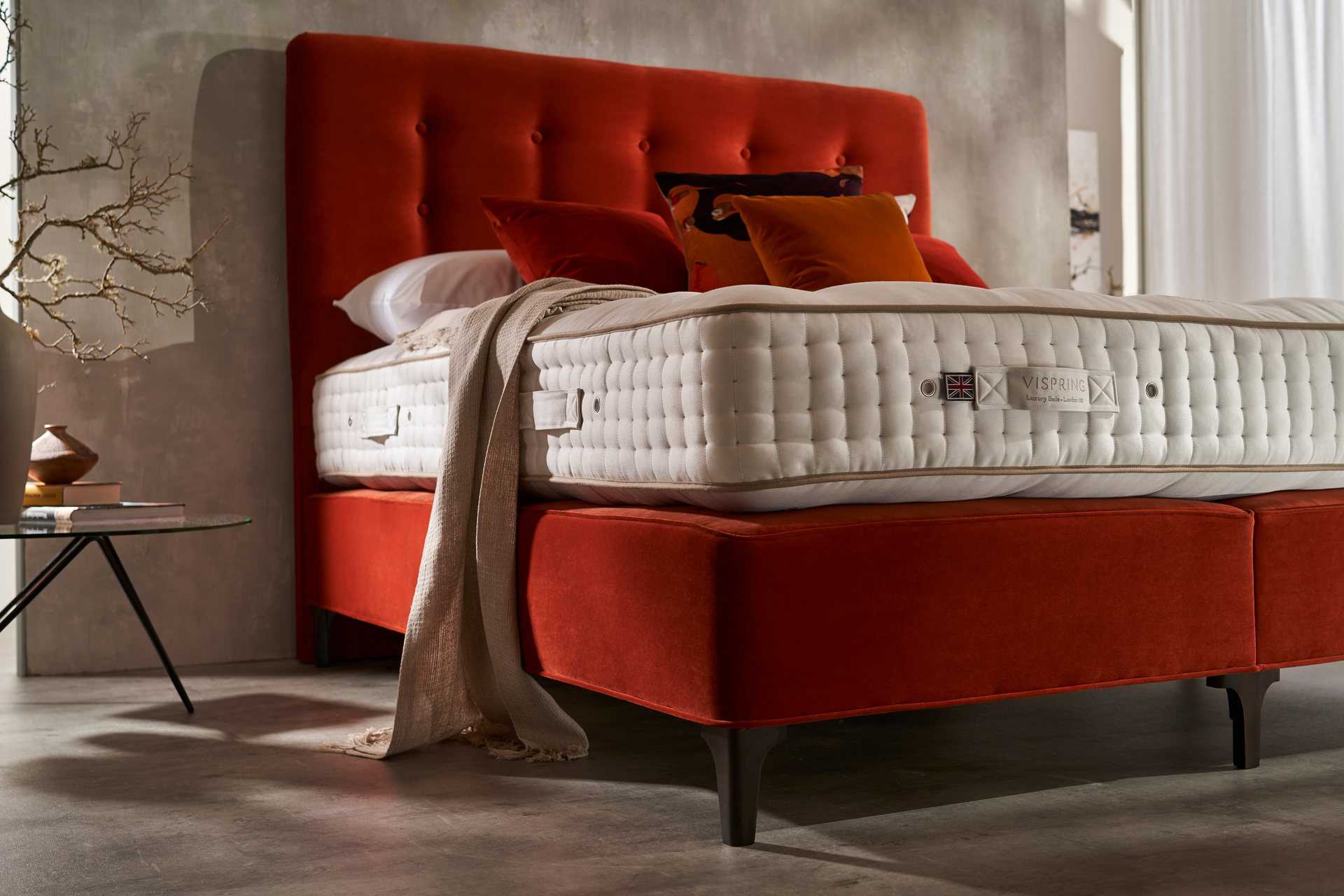
A mattress can be understood as a layered system. The outer fabric is the first point of contact, but underneath it, upholstery and a support core share the work of cushioning, distributing pressure, and responding to movement. Each layer contributes to the experience, though none can be judged in isolation. A spring system may provide a responsive foundation, while materials above it shape how quickly and softly the body settles into the surface.
When reviewing the Baronet Superb’s specification, look for a plain-language account of these parts. Which materials form the comfort layers? Are they natural, synthetic, or blended? How are the layers arranged? Does the description identify a spring type or configuration? A clear specification helps you understand what the mattress is designed to do; broad phrases such as “supportive” or “luxurious” cannot answer those questions on their own.
Materials also have different practical characteristics. Fibres and foams may vary in resilience, moisture handling, and how they compress over time. A material’s name does not guarantee a particular sensation, however. Layer thickness, density, assembly, and the sleeper’s body all influence the result. Treat construction information as a map to guide your evaluation, not as a promise that the mattress will feel a certain way.
Spring terminology deserves similar care. “Pocket spring,” for instance, describes a spring arrangement in which coils are housed separately, but it does not by itself tell you how firm a mattress will feel, how well its edge will hold up, or whether two people will notice each other’s movement. Spring count is also not a complete measure of comfort or quality: size, spring design, upholstery, and the way the components work together matter.
What support feels like—and what it does not
Support is often described as though it were a single sensation. In practice, it is a relationship between your body and the sleep surface. A mattress should allow the shoulders and hips to settle where needed while helping the rest of the body remain comfortably aligned. The sensation of being held up is not identical to firmness, and a firm surface is not automatically a supportive one for every person.
Consider your posture when lying naturally. On your side, notice whether your shoulder and hip can settle without creating sharp pressure, and whether your trunk feels reasonably level rather than tilted. On your back, check whether the surface accommodates the lower back without leaving it unsupported or forcing it into an uncomfortable arch. If you sleep on your stomach, a surface that lets the pelvis sink excessively may feel strained. These are observations, not medical tests: bodies differ, and comfort is personal.
Try the mattress in the position you actually use, not only the one that feels easiest during a quick showroom visit. Give yourself enough time to relax into each position. Notice whether you keep shifting to escape pressure, whether your body feels suspended or deeply cradled, and whether changing position requires effort. A brief test cannot reproduce a full night, but a deliberate comparison is more informative than pressing a hand into the mattress or sitting on its edge.
Use the same method when comparing firmness. Words such as “soft,” “medium,” and “firm” are not universal measurements. They are useful shorthand, but perception changes with body weight, shape, position, and the structure of the mattress. If there are multiple comfort options, ask how each differs and whether the distinction concerns the upholstery, the support core, or both.
Pressure relief is a personal measurement
Pressure relief describes how a sleep surface distributes contact rather than concentrating it at a few points. For a side sleeper, the shoulder and hip are common areas to monitor. A back sleeper may pay more attention to the lower back and the points where the body meets the surface. What matters is not a theoretical label but whether the mattress feels comfortable in your normal sleeping posture.
During a trial, notice any persistent numbness, pinching, or urge to roll away from a particular area. Also note whether the mattress feels so yielding that you struggle to move. A soft surface may ease pressure for one sleeper yet feel unstable to another; a more buoyant surface may make turning easier but provide a less enveloping sensation. Neither impression is inherently better. The relevant question is whether the balance suits you.
If you share a bed, test together when possible. One person’s comfort needs may differ from the other’s, and a mattress that feels balanced to one sleeper may not feel that way to both. Ask about available sizes, comfort choices, or other arrangements, then verify exactly what applies to the selected model and market. Do not assume that two halves, a particular customization, or a specific feature is available unless it is confirmed in writing.
Temperature, airflow, and the bedroom microclimate
Sleep temperature is not determined by a mattress alone. Room temperature, humidity, sheets, blankets, sleepwear, health, and personal preference all contribute. Mattress materials and construction can still influence how warm or cool the surface feels, particularly through their response to moisture, body contact, and airflow.
Rather than relying on claims about “cooling” or “breathability,” ask what the materials are and how the construction is intended to manage heat and moisture. Then consider your own pattern: Do you often wake warm? Do you use heavy bedding? Is the room poorly ventilated? A mattress that feels comfortable in a cool showroom may feel different under your usual duvet in a warmer bedroom.
If possible, evaluate temperature over a meaningful trial period at home. Keep the rest of your bedding reasonably consistent at first so you can identify what may be contributing to a change. A breathable sheet or lighter blanket can alter the overall experience, and a mattress should be considered as part of that wider sleep setup rather than as an isolated climate-control device.
The foundation beneath the mattress
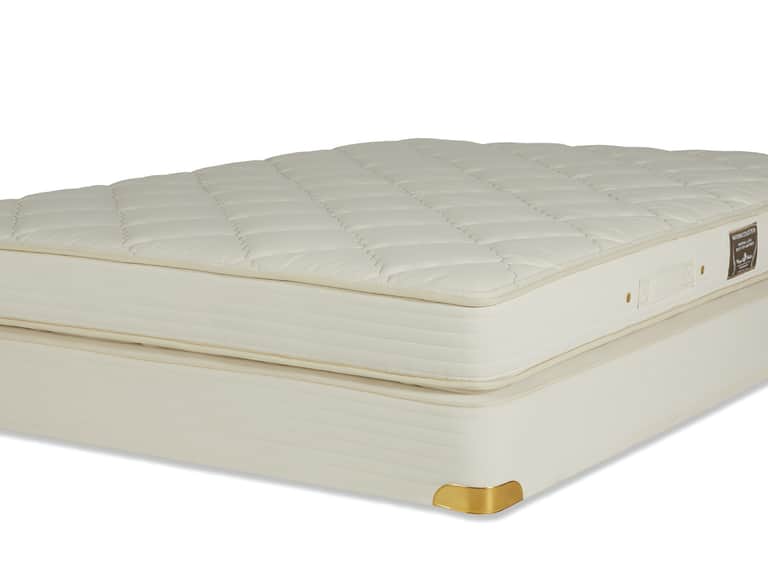
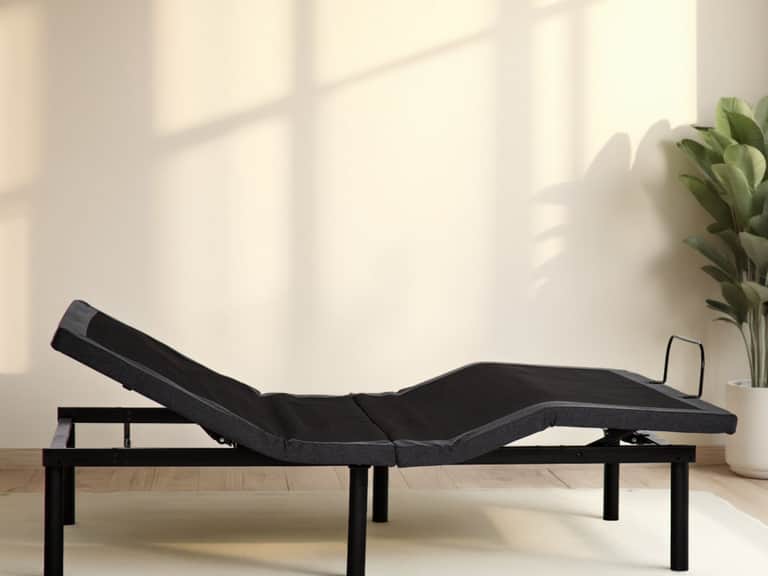
A mattress and its foundation operate as a system. The base can affect stability, feel, ventilation, and long-term performance. Before choosing the Baronet Superb, check the manufacturer’s current requirements for the foundation, including any limits on slat spacing, the use of a solid platform, or compatibility with an adjustable base. Do not assume that a bed frame is suitable simply because the mattress fits its dimensions.
Inspect the existing frame for a level surface, secure joints, and adequate central support. Slats that are too widely spaced or a base that flexes in an unintended way may change how the mattress is supported. If you are buying a new foundation, confirm that its dimensions, weight capacity, and design suit both the mattress and the people using it. The relevant information should come from current product documentation, not guesswork.
Height is part of fit, too. Add the mattress depth to the foundation and consider how high the finished bed will sit. Think about getting in and out comfortably, the clearance beneath the frame, and whether existing sheets will fit. A deep mattress may require deeper fitted sheets, while a protective encasement must match the mattress dimensions closely enough to stay in place without straining its seams.
Edge feel, movement, and shared sleep
The perimeter can matter as much as the centre if you sit on the side to dress, sleep near an edge, or share the surface. Test it in a practical way: sit where you normally would, then lie near the edge and see whether it feels stable. A mattress may feel different at the perimeter than in the middle, so a quick sit test offers only one part of the picture.
For couples, movement transfer is another consideration. Ask whether the construction is designed to limit disturbance, but also test the experience when possible. Have one person change position while the other lies still. The result can depend on the mattress, its foundation, body movement, and the sensitivity of the person sharing the bed. A showroom test cannot settle every question, but it can reveal whether movement feels noticeable enough to warrant closer attention.
Size influences shared comfort as well. More surface area can give sleepers room to move, though bedroom dimensions, doorways, stairs, and delivery access may set practical limits. Measure the room and the route into it before ordering. The best-fitting mattress in a store is not useful if it cannot be delivered to the space or leaves too little room to move safely around the bed.
Care, durability, and the fine print
Durability is difficult to judge from a showroom visit. A mattress can feel comfortable at first and still change as its materials settle through use. Ask what care is recommended, whether rotation is advised, and what conditions apply to the warranty. Follow the instructions for the exact model: different constructions can have different handling requirements, and some mattresses are not designed to be flipped.
Read the warranty as a document with specific conditions, not as a general promise that every change in feel will be covered. Check the coverage period, what counts as a covered defect, any requirements for a suitable foundation, and how a claim must be made. Separately, review the trial or return policy. A return window, if offered, is not necessarily the same thing as a warranty, and fees or procedural rules may apply.
Look after the sleep surface with suitable bedding and cleaning methods. A protector can help guard against spills and everyday soil, but its fabric and waterproof layer may slightly alter the surface feel or temperature. Confirm that any protector fits the mattress depth and does not interfere with care instructions. For stains, avoid improvised cleaning methods that could damage upholstery or affect coverage; follow the manufacturer’s directions.
Ask about delivery, setup, removal of an old mattress, and what happens if the mattress cannot be carried into the room. These details are not glamorous, but they affect the practical success of the purchase. Write down what is included and what costs extra before making a decision.
A practical Baronet Superb assessment checklist
Use this checklist to turn a broad impression into a decision based on your own needs. Bring your usual sleep positions and bedroom setup into the conversation.
- Confirm the exact model: Check the spelling, size, configuration, and current written specification.
- Understand the construction: Ask about the support system, upholstery layers, materials, mattress depth, and available comfort choices.
- Test your usual positions: Lie down long enough to notice pressure, alignment, ease of movement, and whether you feel stable.
- Assess the perimeter: Sit and lie near the edge if that is part of how you use the bed.
- Consider a partner: Compare comfort needs and, if possible, assess movement while both people are on the mattress.
- Check the foundation: Confirm compatibility with the frame or base you plan to use, including any support requirements.
- Plan the bedding: Verify fitted-sheet and protector dimensions and consider how your usual blankets affect temperature.
- Read the policies: Separate warranty terms from trial, exchange, return, delivery, and disposal conditions.
- Keep records: Save the specification, order details, care instructions, and written answers to important questions.
How to make sense of conflicting impressions
It is common to leave a showroom uncertain. One mattress may feel inviting for a few minutes but difficult to assess beside another; another may seem unfamiliar simply because it differs from the bed at home. Instead of trying to identify an abstract “best” mattress, compare candidates using the same sequence: your normal posture, pressure points, ability to turn, edge use, and temperature concerns.
Give priority to repeated, practical observations over a single dramatic sensation. If your shoulders feel pressured every time you lie on your side, that is useful evidence. If a mattress feels supportive in one position but uncomfortable in the position you use most, the mismatch matters. If the only objection is that the surface feels unfamiliar, more time—ideally under the actual trial terms—may help distinguish adjustment from poor fit.
Some discomfort has causes beyond bedding, and a mattress cannot diagnose or treat a health condition. Persistent pain, numbness, or sleep disruption deserves attention from an appropriate healthcare professional. A mattress choice may affect comfort, but health claims should be considered cautiously and should not replace medical advice.
The measure of a good fit
Evaluating the Vispring Baronet Superb is ultimately an exercise in matching information to lived experience. The model name points to a particular product, but the current specification reveals what is actually being considered. Construction explains how the parts may work together; careful testing shows whether the resulting feel suits your body and habits. The foundation, bedding, room climate, and terms of purchase complete the picture.
No spring count, material list, or firmness label can make the decision for you. A more reliable approach is to ask precise questions, test the mattress in your usual positions, and compare the answers against the realities of your bedroom. When those pieces align—clear specifications, comfortable support, compatible foundation, workable care, and fair purchase terms—you can make a choice with greater confidence, without assuming that a celebrated name is a substitute for personal fit.
Frequently asked questions
Is the Baronet Superb right for every sleeping position?
There is no mattress that suits every sleeper. Your body shape, weight, preferred posture, and sensitivity to pressure all influence how a mattress feels. Test it in the position you use most and verify any comfort options available for the exact configuration.
Can a showroom test predict how it will feel at home?
A showroom visit can help you compare support, pressure, and movement, but it cannot reproduce a full night of sleep. Review the current trial or return policy before purchase and distinguish it from the warranty.
What should I check before using an existing bed base?
Confirm that the base meets the mattress maker’s current requirements. Check its condition, level support, dimensions, and any guidance about slats or adjustable frames. A compatible foundation helps the mattress perform as intended.