Mattress toppers provide an additional layer of comfort and support, enhancing sleep quality without altering the underlying mattress structure. For innerspring mattress systems, toppers help distribute weight more evenly, reduce pressure points, and improve contouring. This category highlights materials, thickness options, and compatibility with various bed sizes to optimize stability and longevity.
A well-chosen mattress topper can address common concerns such as sagging, motion transfer, and temperature regulation. Innerspring beds benefit from toppers that balance softness and support, offering a transitional layer that preserves the spring system’s responsiveness while adding cushioning. Understanding density, loft, and climate-control features aids in selecting the right feel.
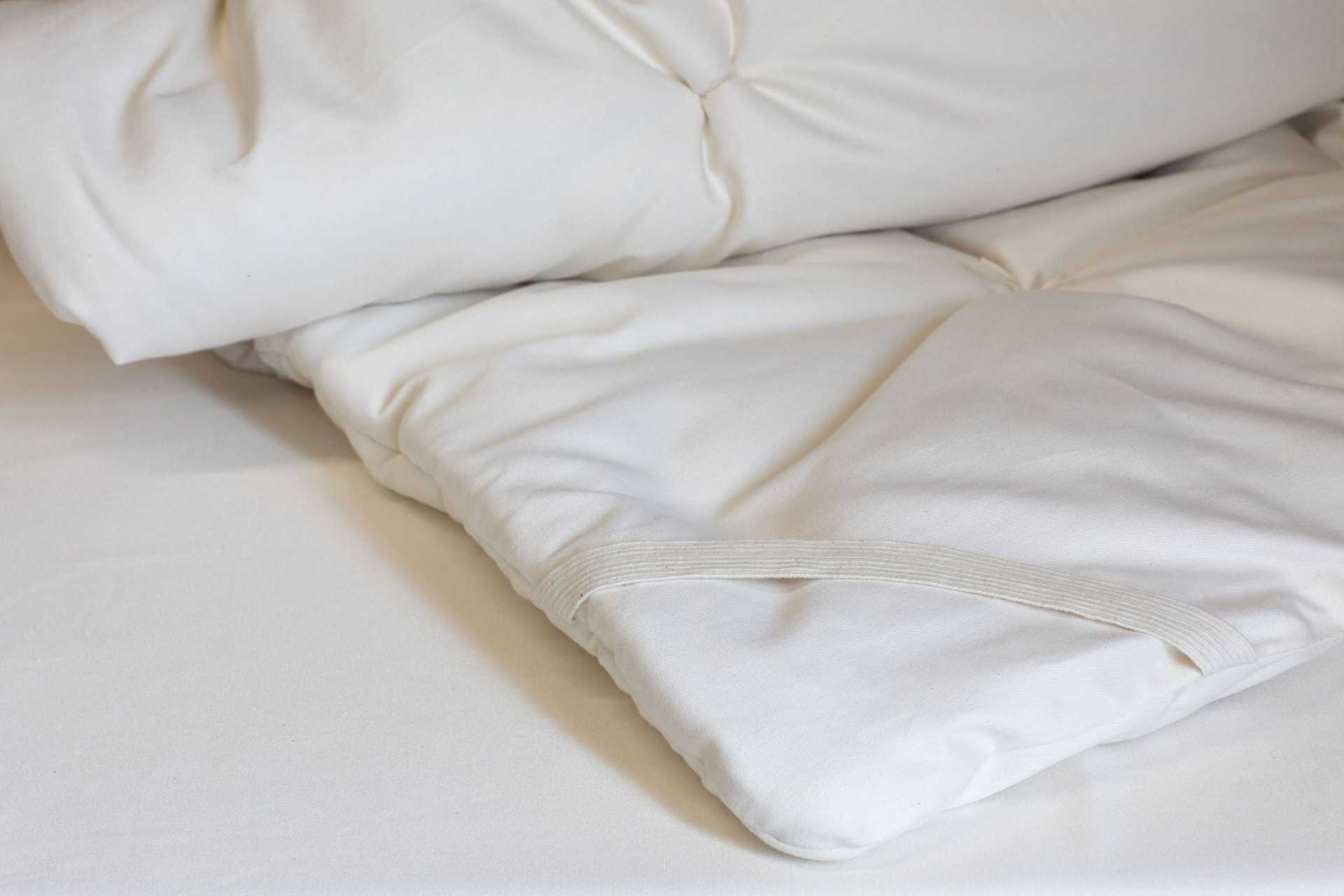
The Natural Child's Crib Mattress Topper exemplifies size-appropriate protection and comfort for crib use, featuring materials designed for safety and durability. Such toppers often emphasize natural fibers, hypoallergenic properties, and easy maintenance. Functional benefits include spill resistance, added cushioning for infants, and improved breathability during sleep.
Key product features to compare include cover materials, thickness, and anti-slip properties, all of which influence fit and stability on innerspring foundations. Organic and low-toxicity options reduce exposure to irritants, while moisture-wicking and temperature-regulating layers support a healthier sleep environment for both children and adults.
When evaluating mattress toppers, consider compatibility with bedding essentials such as sheets and organic crib mattresses, as well as the broader bedding ecosystem. Understanding how toppers interact with pillows and pillows’ support can inform better alignment, spinal comfort, and overall sleep quality across diverse sleeping positions.
 Bedding